Jeremy Mortis

Jeremy, founder of Ageless Investing, has spent over six years proving that analyzing classic literature is the ultimate investment in human wisdom and long-term intellectual capital. Applying a rigorous, hands-on framework specializing in primary-source textual audits and exact-quote analysis, he bridges historical resilience and modern decision-making. His guides provide strict structural blueprints to help human creators protect and defend their original work. Review Jeremy’s background, editorial standards, and manual verification process on his Author Bio Page.  

Meyer Wolfsheim Character Analysis: Gatsby’s Shadowy Architect

Meyer Wolfsheim, a shadowy figure briefly illuminating the dark underpinnings of Jay Gatsby’s glittering world in F. Scott Fitzgerald’s The Great Gatsby, is a chilling emblem of Jazz Age corruption. Though his appearances are few, Gatsby’s enigmatic business associate, with his infamous human molar cufflinks and reputation for fixing the 1919 World Series, reveals the […]

Meyer Wolfsheim Character Analysis: Gatsby’s Shadowy Architect Read More »

Meyer Wolfsheim character analysis: A shrewd, older man (Meyer Wolfsheim) in a dimly lit 1920s speakeasy, with human molar cufflinks visible, symbolizing his underworld connections, corruption, and unsettling presence in The Great Gatsby.

George Wilson Character Analysis: Despair, Delusion & Tragedy

George Wilson, the “spiritless” garage owner from The Great Gatsby’s desolate Valley of Ashes, is a haunting testament to the human cost of Jazz Age excess and class indifference. Initially a man of quiet desperation, his life unravels through betrayal and grief, manipulated into a final, devastating act by forces beyond his control. This George

George Wilson Character Analysis: Despair, Delusion & Tragedy Read More »

Myrtle Wilson Character Analysis: Vitality, Illusion & Class (Gatsby)

From the desolate Valley of Ashes in F. Scott Fitzgerald’s The Great Gatsby, Myrtle Wilson emerges with a striking, almost desperate, vitality. Trapped in a lifeless marriage, her affair with the wealthy Tom Buchanan becomes a perceived pathway to a glamorous existence, a dream that ultimately shatters in a brutal, tragic end. This Myrtle Wilson

Myrtle Wilson Character Analysis: Vitality, Illusion & Class (Gatsby) Read More »

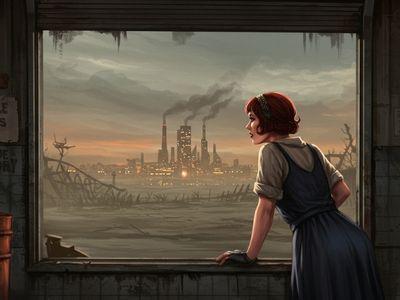
Myrtle Wilson character analysis: A vibrant 1920s woman (Myrtle Wilson) looks longingly from a desolate Valley of Ashes garage towards a distant glittering city, symbolizing her desperate vitality, class aspirations, and tragic entrapment in The Great Gatsby.

Jordan Baker Character Analysis: The Modern Woman’s Cynicism

Jordan Baker, with her cool poise and athletic grace, is a striking emblem of Jazz Age modernity in F. Scott Fitzgerald’s The Great Gatsby. A professional golfer navigating a world of newfound female freedoms, she’s Daisy Buchanan’s confidante and Nick Carraway’s enigmatic romantic interest. Yet, beneath her detached allure lies a character defined by cynicism

Jordan Baker Character Analysis: The Modern Woman’s Cynicism Read More »

Symbolic image for Jordan Baker character analysis: Jordan Baker's discerning, cynical face with elements suggesting her navigation of Jazz Age society, representing her dishonesty, perceptiveness, and role as a modern woman in The Great Gatsby.

The Great Gatsby Analysis: Class, Past & the Failed American Dream

What happens when the American Dream becomes a dangerous obsession? F. Scott Fitzgerald’s The Great Gatsby (1925) plunges readers into the heart of the Jazz Age, a world shimmering with promise yet shadowed by disillusionment. We meet the magnetic Jay Gatsby through narrator Nick Carraway’s eyes on Long Island’s opulent shores in 1922. Gatsby’s legendary

The Great Gatsby Analysis: Class, Past & the Failed American Dream Read More »

Symbolic illustration for The Great Gatsby analysis, showing the Eyes of Dr. T.J. Eckleburg overlooking the green light, representing themes of judgment and unattainable dreams

67 The Picture of Dorian Gray Quotes With Page Numbers & Analysis

What is the true price of eternal youth when decoupled from morality? Oscar Wilde’s provocative novel, The Picture of Dorian Gray, explores this question through a dark tale shimmering with wit and philosophical paradox. We’ve analyzed 67 The Picture of Dorian Gray quotes with page numbers (the Penguin Classics, February 4, 2003, Revised Edition) Set

67 The Picture of Dorian Gray Quotes With Page Numbers & Analysis Read More »

A picture of f a canvas, for painting with the text overlay: "The Picture of Dorian Gray Quotes With Page Numbers"
Scroll to Top