Literary Analysis Guides

Explore comprehensive analyses of classic literature. Find in-depth chapter breakdowns, character studies, thematic explorations, symbol analyses, and meticulously contextualized quotes for major literary works, all crafted using the Ageless Analysis Method (AAM) framework. These academic guides and primary-source quote audits apply a rigorous, multi-disciplinary approach to classic literature. Please note that all resources on this platform are strictly analytical and educational, containing zero financial data, market asset portfolios, or investment advice.

Owl Eyes Character Analysis: Gatsby’s Nameless, Flawed Observer

In the macroeconomic ecosystem of F. Scott Fitzgerald’s The Great Gatsby, the character known only as “Owl Eyes” operates outside the standard social hierarchy. He’s not a guest; he’s an independent forensic auditor. While the rest of New York society blindly consumes the excess of Gatsby’s parties, Owl Eyes executes a localized stress test on […]

Owl Eyes Character Analysis: Gatsby’s Nameless, Flawed Observer Read More »

Meyer Wolfsheim Character Analysis: Gatsby’s Shadowy Architect

Meyer Wolfsheim, a shadowy figure briefly illuminating the dark underpinnings of Jay Gatsby’s glittering world in F. Scott Fitzgerald’s The Great Gatsby, is a chilling emblem of Jazz Age corruption. Though his appearances are few, Gatsby’s enigmatic business associate, with his infamous human molar cufflinks and reputation for fixing the 1919 World Series, reveals the

Meyer Wolfsheim Character Analysis: Gatsby’s Shadowy Architect Read More »

Meyer Wolfsheim character analysis: A shrewd, older man (Meyer Wolfsheim) in a dimly lit 1920s speakeasy, with human molar cufflinks visible, symbolizing his underworld connections, corruption, and unsettling presence in The Great Gatsby.

George Wilson Character Analysis: Despair, Delusion & Tragedy

George Wilson, the “spiritless” garage owner from The Great Gatsby’s desolate Valley of Ashes, is a haunting testament to the human cost of Jazz Age excess and class indifference. Initially a man of quiet desperation, his life unravels through betrayal and grief, manipulated into a final, devastating act by forces beyond his control. This George

George Wilson Character Analysis: Despair, Delusion & Tragedy Read More »

Myrtle Wilson Character Analysis: Vitality, Illusion & Class (Gatsby)

From the desolate Valley of Ashes in F. Scott Fitzgerald’s The Great Gatsby, Myrtle Wilson emerges with a striking, almost desperate, vitality. Trapped in a lifeless marriage, her affair with the wealthy Tom Buchanan becomes a perceived pathway to a glamorous existence, a dream that ultimately shatters in a brutal, tragic end. This Myrtle Wilson

Myrtle Wilson Character Analysis: Vitality, Illusion & Class (Gatsby) Read More »

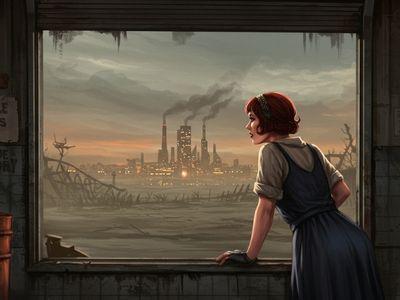
Myrtle Wilson character analysis: A vibrant 1920s woman (Myrtle Wilson) looks longingly from a desolate Valley of Ashes garage towards a distant glittering city, symbolizing her desperate vitality, class aspirations, and tragic entrapment in The Great Gatsby.

Jordan Baker Character Analysis: The Modern Woman’s Cynicism

Jordan Baker, with her cool poise and athletic grace, is a striking emblem of Jazz Age modernity in F. Scott Fitzgerald’s The Great Gatsby. A professional golfer navigating a world of newfound female freedoms, she’s Daisy Buchanan’s confidante and Nick Carraway’s enigmatic romantic interest. Yet, beneath her detached allure lies a character defined by cynicism

Jordan Baker Character Analysis: The Modern Woman’s Cynicism Read More »

Symbolic image for Jordan Baker character analysis: Jordan Baker's discerning, cynical face with elements suggesting her navigation of Jazz Age society, representing her dishonesty, perceptiveness, and role as a modern woman in The Great Gatsby.

The Great Gatsby Analysis: Class, Past & the Failed American Dream

What happens when the American Dream becomes a dangerous obsession? F. Scott Fitzgerald’s The Great Gatsby (1925) plunges readers into the heart of the Jazz Age, a world shimmering with promise yet shadowed by disillusionment. We meet the magnetic Jay Gatsby through narrator Nick Carraway’s eyes on Long Island’s opulent shores in 1922. Gatsby’s legendary

The Great Gatsby Analysis: Class, Past & the Failed American Dream Read More »

Symbolic illustration for The Great Gatsby analysis, showing the Eyes of Dr. T.J. Eckleburg overlooking the green light, representing themes of judgment and unattainable dreams
Scroll to Top